August 7, 2023
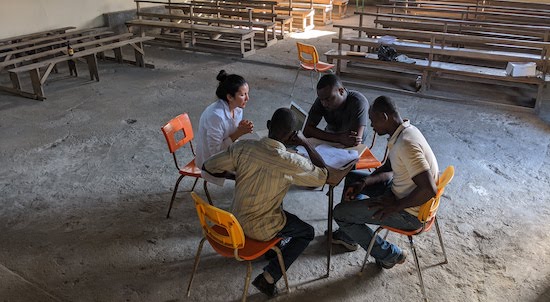
Civil society organizations play a crucial role in supporting communities throughout, and improving the accessibility of IAM complaint processes. Insights from preliminary research on this topic show the impact representation can have on the success of a complaint, and identify potential policy changes to make IAMs more accessible for communities.Many development finance institutions (DFIs) have independent accountability mechanisms (IAMs) that provide a forum for communities affected by development projects to voice their grievances. These offices are premised on the idea that development must be accountable to local communities for its negative consequences. Yet these processes are often so legalistic, complicated, and burdensome that communities struggle to gain entry to the process, let alone make it to something that looks like remedy.Preliminary research conducted by Stanford students for Accountability Counsel found that complaints that are supported by civil society organizations (CSOs) end up with more positive outcomes than those without CSO support. The data provides quantitative backing to what many affected communities have been saying: without help, the IAM process would have felt impossible. The good news is that CSOs seem to be succeeding at providing that help to affected communities and having positive, tangible impacts on case outcomes. On the other hand, it is concerning that IAM processes are so difficult to navigate that communities may only be able to make it through with the help of CSOs.The data points us towards a two-pronged goal for reimagining a more accessible accountability process: (1) IAMs must adopt policies and practices that lower barriers of entry and reduce the burden of navigating multi-year complaints for all communities; and (2) IAMs must continue to support and uplift communities’ right to representation and support from CSOs.Read the full article here and subscribe to the Accountability Console monthly newsletter here for more stories like this.
Sign up for periodic updates on our work alongside communities, defending rights and demanding justice.