April 20, 2017
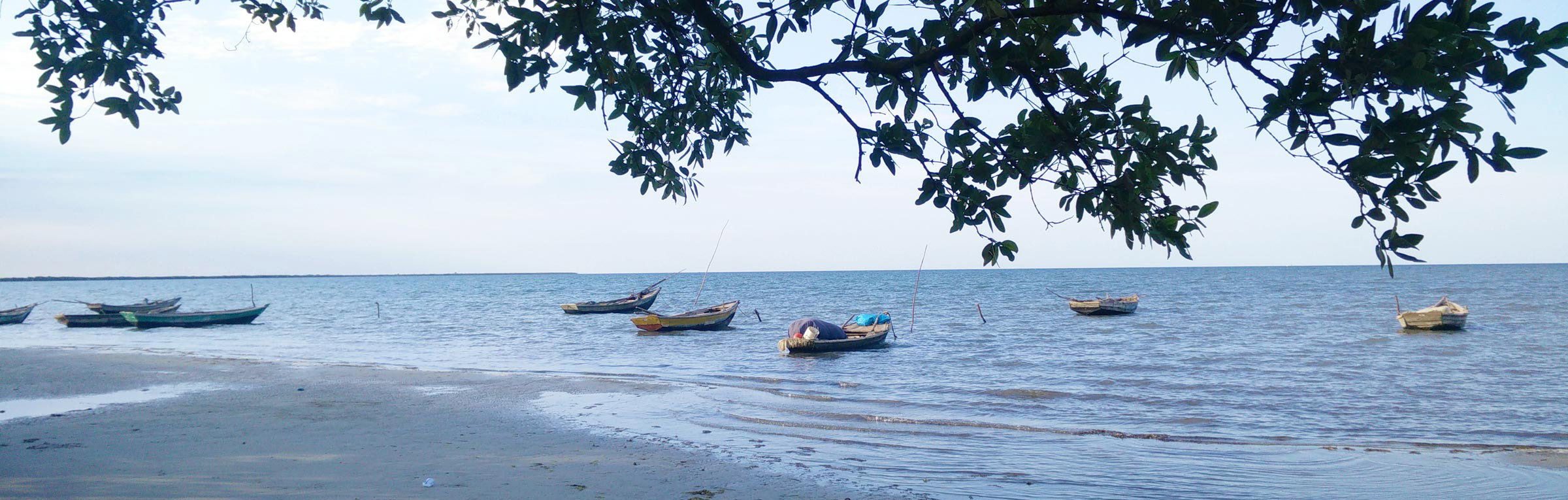
All too often, community voices are excluded from decisions that affect their lives and their environment. And so they were in Haiti, when the Inter-American Development Bank (IDB) provided funding to build the Caracol Industrial Park – a large garment factory complex, including a heavy oil power plant – a short distance inland from Caracol Bay, a US $3.2 trillion mangrove and coral reef ecosystem that is now part of Haiti’s Three Bays National Park.In anticipation of Earth Day 2017, we are amplifying those missing voices by publishing “Environment Under Threat” to explain the environmental risks posed by the industrial park.The industrial park discharges wastewater into the Trou-du-Nord river, another important natural and community resource, which then flows into Caracol Bay. Local communities are concerned that organic, chemical, and/or thermal pollution from the industrial park will damage the sensitive coastal and marine ecosystem, including important resources – fish, shellfish and salt basins – on which they rely.Community concerns are echoed by international experts. In 2013, a study coordinated by the Organization of American States called the Caracol Industrial Park one of the “primary threats” to Caracol Bay. The bay was described as: “perhaps the most productive ecosystem in Haiti and therefore the most important site in Haiti in terms of the need for protection and the development of a sustainable management plan.”The Bank has raised its own concerns about the industrial park’s impacts on the bay:“The assurances made by the IDB that the necessary mitigation measures would be taken to protect the marine protected area will be significantly tested during the operation of the park in the next 5-10 years.”This Earth Day 2017, please read and share “Environment Under Threat”. This brochure is the latest in a series about the serious, negative impacts of the industrial park that affected communities seek to resolve through a facilitated dialogue process (see also the impacts on women and girls and on livelihoods). We are working to make a fair and effective dialogue process a reality.For more information about our work, please see the case page here.
Sign up for periodic updates on our work alongside communities, defending rights and demanding justice.